Antevra Reviews
Facts and assumptions from the protocol, SAP and labels, each cited to a source revision.
How Reviews works

From draft protocol to locked data. Simulate in Antevra. Run in Actora.
I am here because I…
Antevra checks what a protocol can support before you commit to it. Actora runs the study on a record that can be inspected.
Actora runs your clinic on a record built for inspection, from the first volunteer to an e-signed data lock.
Antevra shows what your protocol can support before you commit: every claim cited, every decision owned, plus a synthetic dataset.
Astralith builds software for the two moments that decide whether a study can be relied on. Here is the thesis, the team and where each product stands.
Talk to us (opens in a new tab) Apply for a design-partner pilot Book a protocol preflight (opens in a new tab) Meet the founder
Two moments decide whether a study can be relied on: when the protocol is written, and while the study runs. Antevra works in the first. Actora works in the second.
Most trial software starts when the study starts. The decisions that decide whether a study can be analyzed are made earlier, on documents. Antevra works before the trial. Actora works during it.
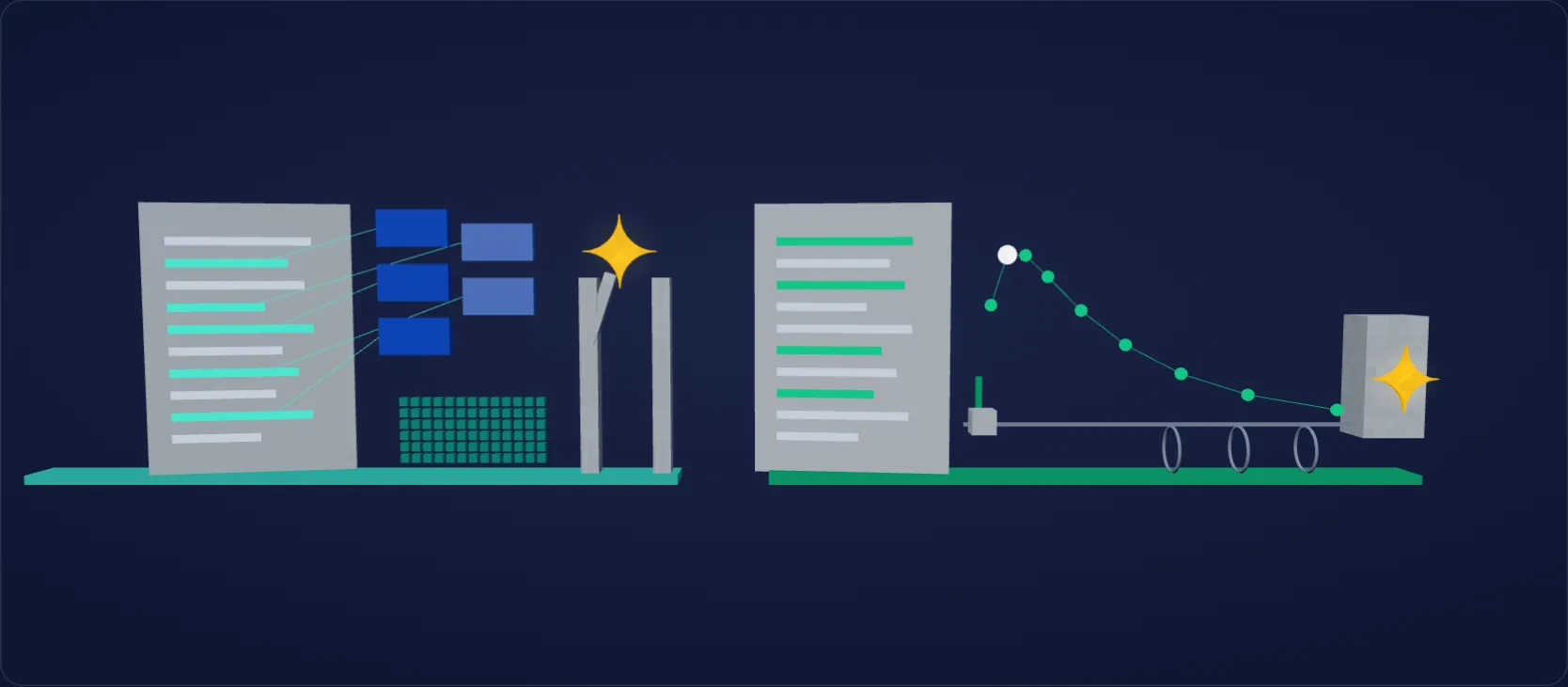
The two products are designed to connect through versioned data contracts. That connection is on the roadmap and not built yet.
First it lands as a sentence in a draft.
Then Antevra cites it and a person owns it.
Then Actora records it at the bedside.
Last, it is locked and signed.
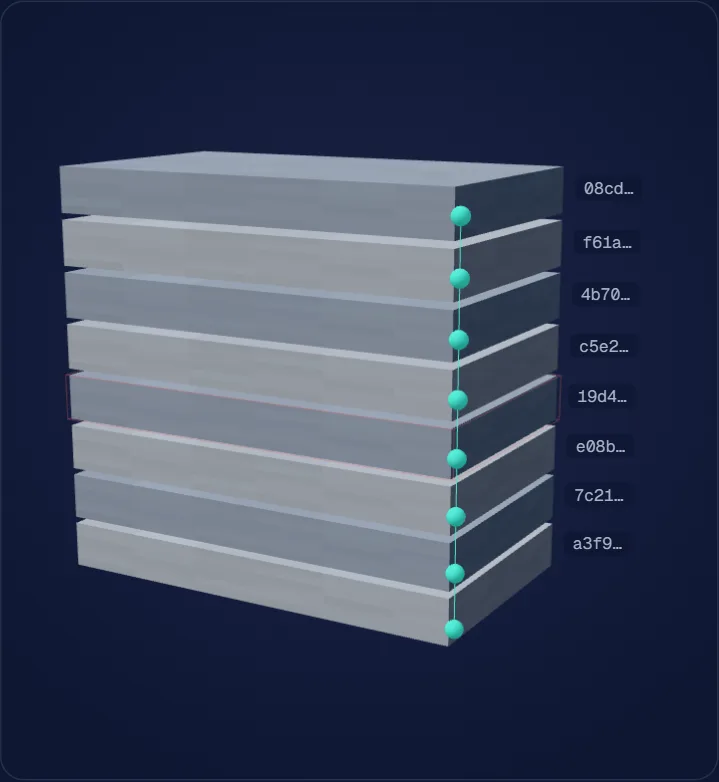
This is how Actora behaves, on a synthetic study. Signed clinical rows accept only appends; the database rejects the edit, and the attempt is written to the audit chain.
Facts and assumptions from the protocol, SAP and labels, each cited to a source revision.
How Reviews worksAn SDTM-shaped synthetic dataset from the protocol’s own design, with a validation report. No patient data.
How Simulations worksCheck-in, dosing and every event captured in its window, with deviation seconds.
See the Clinic appFrom draw to bioanalytical result, each hand-off recorded.
See the Samples appE-signed data lock, then CDISC Dataset-JSON, ODM v2.0 and casebook PDFs.
What Release exportsTwo products, built to the same rules. Nothing is overwritten . Every action is attributed to a named person, with server time. A person signs the decisions that matter, and no administrator can skip them. A new protocol is configuration, never a code branch.
76%
of protocols had at least one amendment, up from 57%. Tufts CSDD, 2024
23%
of amendments were judged avoidable. Tufts CSDD, 2024
260 days
on average to implement one amendment. Tufts CSDD, 2024
$535k
median direct cost per substantial Phase III amendment. Getz et al., 2016
E6(R3)
GCP in effect in the EU from 23 July 2025, raising data-governance expectations. Swissmedic
AI does the reading and the searching, so your experts spend their time on judgment. Follow one finding through all three steps.
"…a washout of at least five half-lives…" SAP §4.1 · synthetic
Proposed: SupportedSupportedPartial
Rule: source authority. This source cannot support a final claim on its own. The rule is named, so anyone can inspect it.
Clinical pharmacology lead · accepted with note
Nothing leaves the system until a person has decided.
| Antevra | Actora | |
|---|---|---|
| Where AI is used | Extraction, review findings, repair proposals, anomaly detection | An in-app assistant whose help answers cite approved help topics |
| Control | The model proposes; rules can only downgrade a status; a person decides; export is gated | Answers cite approved help; a confidentiality guard; the data mode is paused until a live evaluation |
| Models | One seam with switchable backends, including a model you host yourself | Provider-neutral design |
| Provenance | Every stage records the model that answered; a skipped stage names none | Each turn can be replayed |
| Not claimed | No accuracy figure; no training on customer data | AI duplicate-volunteer matching is built but switched off |

Latin astra, stars, and Greek lithos, stone. Guidance you can build on, and a record that holds its weight.
Antevra is built and demonstrable. Actora is built from the first volunteer to the e-signed data lock and open to three design partners.